Anti-aging · Expert
Can Aging be REVERSED?
The Diary of a CEO with Steven Bartlett · 17/09/2026 · added by men35 desk
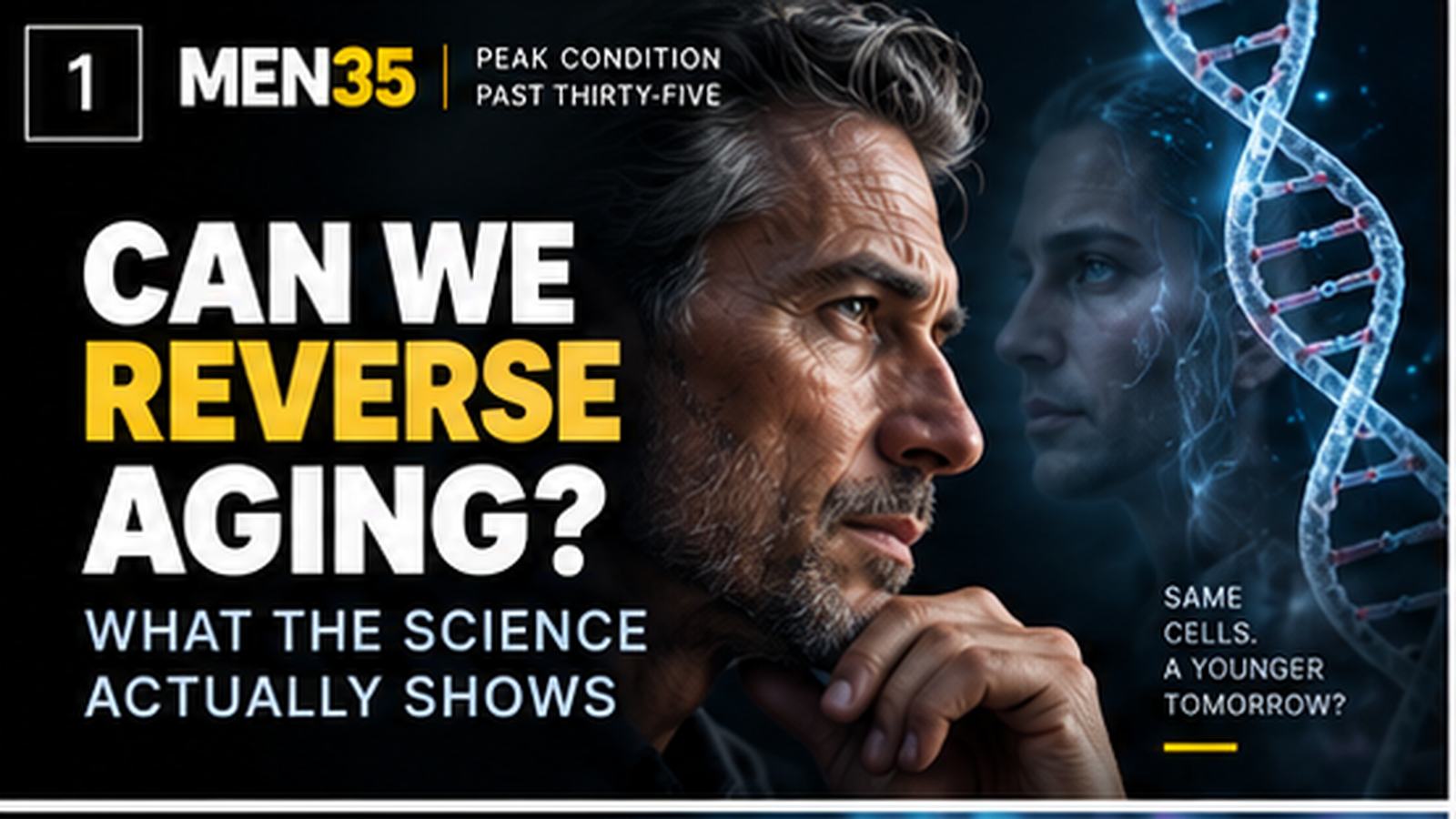
David Sinclair’s research challenges the idea that cellular aging is completely irreversible. The intriguing part is not “living forever”—it is whether damaged cellular information can be restored. 𝗞𝗘𝗬 𝗕𝗘𝗡𝗘𝗙𝗜𝗧𝗦 Explains Sinclair’s Information Theory of Aging Introduces epigenetic aging Separates mouse research from human evidence Explains why cellular reprogramming matters Cuts through anti-aging hype 𝗧𝗛𝗘 𝗜𝗡𝗙𝗢𝗥𝗠𝗔𝗧𝗜𝗢𝗡 𝗣𝗥𝗢𝗕𝗟𝗘𝗠 Sinclair’s central hypothesis is that aging is partly driven by the loss of epigenetic information—the molecular instructions that help cells know which genes to activate and when. Think of DNA as the hardware and the epigenome as part of the software. The DNA sequence may remain largely intact while the regulatory information controlling cellular identity becomes increasingly disorganized. His lab proposes that some of this information may be recoverable. Harvard describes Sinclair’s research as focusing on epigenetic changes as a driver of aging and the possibility of resetting cellular age. 𝗪𝗛𝗔𝗧 𝗛𝗔𝗦 𝗕𝗘𝗘𝗡 𝗦𝗛𝗢𝗪𝗡? The strongest evidence so far is experimental. In a 2020 Nature study, researchers used three reprogramming factors—Oct4, Sox2 and Klf4, known collectively as OSK—in mouse retinal cells. The treatment restored more youthful DNA-methylation patterns and gene-expression profiles and improved optic-nerve regeneration and vision in mouse models. That is remarkable biology. It is not proof that aging has been reversed in humans. 𝗪𝗛𝗘𝗥𝗘 𝗛𝗨𝗠𝗔𝗡𝗦 𝗦𝗧𝗔𝗡𝗗 The field has now reached early human testing, but the objective is initially safety and feasibility—not making healthy 50-year-olds biologically 30. That distinction matters. A promising mechanism in mice still has to survive years of human clinical testing. 𝗠𝗘𝗡𝟯𝟱 𝗧𝗔𝗞𝗘𝗔𝗪𝗔𝗬 The important idea isn't that scientists have discovered an anti-aging pill. It's that some aspects of cellular aging may be biologically modifiable. 𝗧𝗛𝗘 𝗕𝗢𝗧𝗧𝗢𝗠 𝗟𝗜𝗡𝗘 Cellular reprogramming is one of the most interesting areas in longevity science—but it remains experimental. Think rejuvenation research, not proven age reversal.
David A. Sinclair, A.O., Ph.D.
Ph.D. in Molecular Genetics, University of New South Wales · Aging biology, genetics, epigenetics and longevity research
For informational purposes only. This is not medical advice — consult a doctor before changing medication, supplements or training.